Intermittent Fasting Guide
Intermittent Fasting (IF) is a nutritional approach that focuses more on when you eat rather than what you eat.
In recent years, it has become very popular due to its potential benefits for fat loss, insulin sensitivity, and metabolic health.
However, if applied incorrectly, it may lead to problems such as muscle loss and low energy levels.
In this guide, you will find the scientific basics, benefits, and correct implementation of intermittent fasting.
What Is Intermittent Fasting?
Intermittent fasting is a dietary pattern that involves eating during specific hours of the day and avoiding calorie intake during the remaining hours.
Goal:
To keep the body in a low-insulin state for longer periods, which may support increased fat burning.
Most Popular Intermittent Fasting Methods
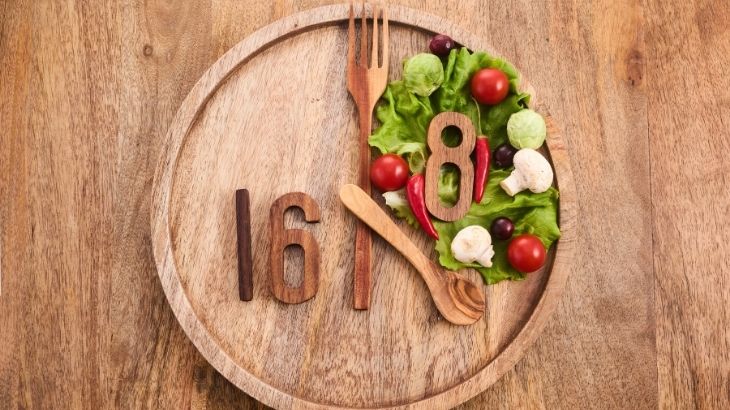
1️⃣ 16:8 Method (Most Common)
Example:
Eating between 12:00 – 20:00, with no calorie intake during the remaining hours.
- 16 hours fasting
- 8-hour eating window
This is generally considered the most sustainable model for beginners.
2️⃣ 18:6 Method
- 18 hours fasting
- 6-hour eating window
Often preferred by individuals who want faster fat loss.
3️⃣ 5:2 Method
- 5 days of normal eating
- 2 days limited to 500–600 calories
This approach is considered more flexible.
Does Intermittent Fasting Burn Fat?
Yes — fat loss occurs when a calorie deficit is created.
Intermittent fasting may support this process through several mechanisms:
- Lowering insulin levels
- Increasing fat oxidation
- Supporting adaptation of ghrelin (the hunger hormone)
- Helping some individuals control appetite more easily
However, it is important to remember that calorie balance is still the key factor.
Does It Cause Muscle Loss?
Muscle loss can occur if intermittent fasting is implemented incorrectly.
To prevent muscle loss:
- Consume adequate protein (1.6 – 2.2 g per kg of body weight)
- Perform resistance/weight training
- Avoid very aggressive calorie deficits
For individuals who train regularly, protein intake becomes especially critical.
How Should You Eat During Intermittent Fasting?
During the eating window, focus on:
✔ High protein intake
✔ Complex carbohydrates
✔ Healthy fats
✔ Fiber-rich vegetables
Avoid:
✖ Overeating junk food during the eating window
✖ Neglecting protein intake
Who Is Intermittent Fasting Suitable For?
✔ People who want to reduce the number of daily meals
✔ Individuals who struggle with appetite control
✔ Office workers with a sedentary routine
Who Should Avoid Intermittent Fasting?
⚠️ Intermittent fasting may not be suitable for:
- Pregnant women
- People with diabetes (without medical supervision)
- Individuals with a history of eating disorders
- People performing very physically demanding jobs
Training and Intermittent Fasting
The most ideal scenario:
- Train close to the eating window
- Consume protein after the workout
Some individuals may experience reduced performance when training in a fasted state.
Advantages
✔ Reduces the number of daily meals
✔ May improve insulin sensitivity
✔ A simple and easy-to-follow system
✔ Helps build discipline
Disadvantages
❌ Hunger can be difficult during the first weeks
❌ It may be difficult to adapt to social life
❌ If applied incorrectly, it may lead to muscle loss
The Most Effective Nutrition Methods for Healthy Weight Loss
Nutrition is the most important factor for weight loss, muscle gain, fat burning, and overall health.
No matter how good your training program is, sustainable results are not possible without a proper nutrition plan.
In this guide, you will find detailed information about macronutrients, calorie balance, meal planning, and nutrition strategies based on your goals.
What Is Calorie Balance?
Your body expends energy throughout the day. This is called your daily calorie requirement.
- Calorie surplus → Weight gain
- Calorie deficit → Weight loss
- Calorie balance → Weight maintenance
For fat loss, it is necessary to create a sustainable calorie deficit.
However, if the deficit becomes too aggressive, it may lead to muscle loss and a slower metabolism.
Macronutrients (Macros)
Protein
Protein is the building block of muscles and plays a key role in:
- Muscle growth and repair
- Feeling of fullness (satiety)
- Supporting metabolism
Sources:
Chicken, red meat, fish, eggs, yogurt, and legumes.
Carbohydrates
Carbohydrates are the main energy source of the body.
They are especially important for exercise performance.
Quality sources include:
- Oats
- Bulgur
- Rice
- Potatoes
- Whole grains
- Fruits
Fats
Fats are critical for hormone balance.
It is important to consume healthy fats.
Sources:
- Olive oil
- Avocado
- Nuts
- Fish
Nutrition Strategies Based on Your Goal
Fat Loss
- Mild calorie deficit
- High protein intake
- Avoid excessive simple sugars
- High-fiber foods
Muscle Gain
- Calorie surplus
- Adequate protein intake
- Carbohydrates after workouts
- Regular meal planning
Weight Maintenance
- Balanced macro distribution
- Weekly weight monitoring
- Minimize processed foods
Is Meal Timing Important?
The most important factor is the total daily calorie intake.
However, for better performance:
- Carbohydrates before workouts
- Protein after workouts
- Avoid heavy meals late at night
Water Intake
Water is essential for metabolism.
Minimum daily intake:
Body weight × 30–35 ml
Example:
For an 80 kg person, the average recommendation is around 2.5 liters per day.
Sustainability Is the Most Important Factor
The best diet is the one you can maintain long-term.
Instead of strict restriction lists:
- Focus on balance
- 80% clean eating, 20% flexible eating
- A plan that fits your social lifestyle