


What is Supplement?
Supplements, also known as dietary supplements, are products used to support the body by providing nutrients that may not be consumed in sufficient amounts through daily nutrition. These may include vitamins, minerals, proteins, fatty acids, amino acids, and other essential nutrients.
Supplements are not medications.
They are not intended to treat or cure diseases, and they do not claim to provide medical treatment.
However, when used correctly, supplements can:
✔ Support and complement your diet
✔ Enhance physical performance
✔ Help prevent nutritional deficiencies
Why Did Supplements Become Popular?
In modern life:
Consumption of processed and convenience foods has increased
The mineral content of soil has decreased over time
Stress and sedentary lifestyles have become more common
The number of people engaged in sports and fitness has grown significantly
As a result, many people unknowingly fall short of essential nutrients such as protein, omega-3, magnesium, and vitamin D.
Supplements emerged as a supportive tool to help fill these nutritional gaps.
What Do Supplements Provide?
A supplement is designed to complement daily nutrition by supplying nutrients such as:
Vitamins
Minerals
Proteins
Amino acids
Essential fatty acids
These nutrients may sometimes be difficult to obtain in adequate amounts through regular diet alone.
Supplements in Fitness
For individuals who train regularly or perform intense workouts, supplements are commonly used to:
- Support muscle recovery and growth
- Improve athletic performance
- Meet increased energy and nutrient demands
Remember
Supplements are a support tool, not the main source of nutrition.
A balanced and healthy diet should always be the foundation of your nutrition plan
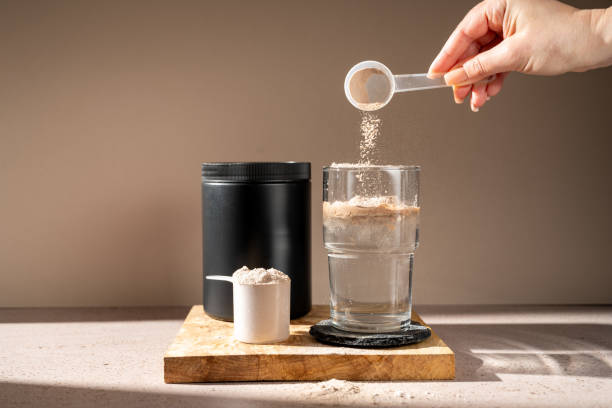

Supplements Based on Your Goal
For those who want to build muscle:
Whey protein + creatine + vitamin D
For those who want to burn fat:
Caffeine (in controlled amounts) + omega-3 + vitamin D
For energy and recovery:
BCAA (during long workouts) + magnesium
For general health:
Omega-3 + multivitamin + vitamin D
Are Supplements Really Necessary?
The need for supplements usually arises in the following three situations:
People who perform intense or regular workouts
People who follow calorie-restricted diets
People who cannot obtain enough micronutrients through their diet
However, remember:
Without proper nutrition and proper training, supplements alone will not produce results.
Supplement Guide Based on Your Goal
For Those Who Want to Lose Weight
- Whey Protein (fat burners & muscle preservation)
- Omega-3 (supports insulin sensitivity)
- Green Tea Extract
- L-Carnitine (supportive)
❌ Unnecessary:
High-caffeine fat burners
For Those Who Want to Increase Muscle Mass
- Whey Protein
- Creatine Monohydrate
- Carbohydrate powder (for hard gainers)
- Zinc & Magnesium
For Endurance & Cardio-Focused Individuals
- EAA
- Beta-alanine
- Electrolytes (Sodium, Potassium)
Whey Protein Detailed Guide
What It Is Not
Whey protein is not a steroid and does not contain hormones.
Absorption Speed
Whey Isolate > Whey Concentrate > Casein
When Should You Use It?
- After workouts
- During meals where protein intake is insufficient

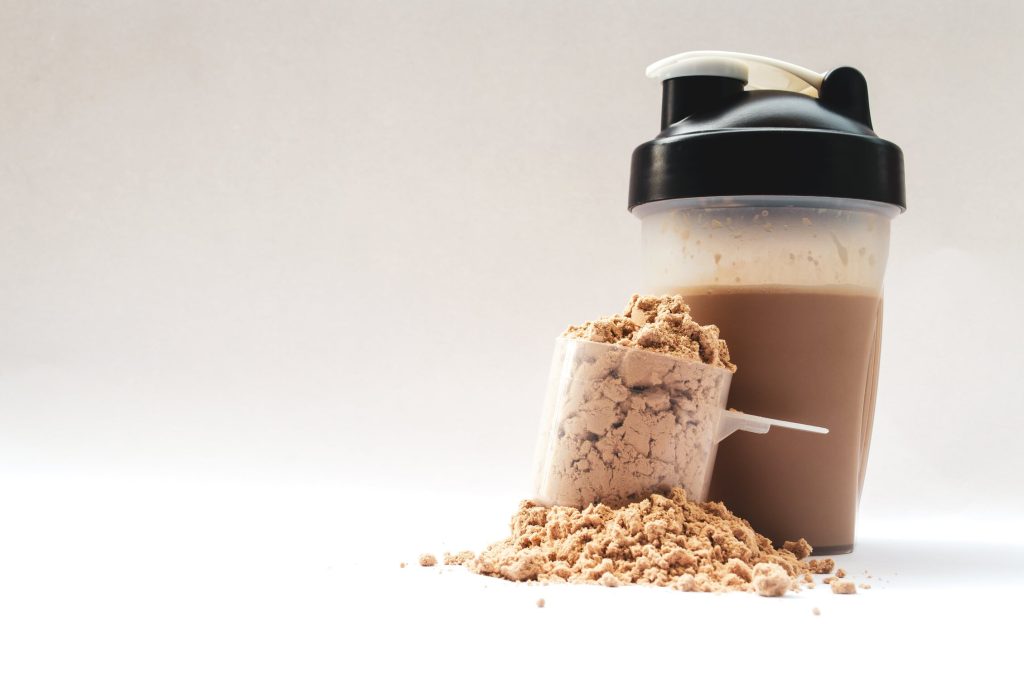
Dosage and Usage Guide
Average Daily Dosage Table
| Supplement | Daily Dose |
| Whey Protein | 20–30 g |
| Creatine | 3–5 g |
| Omega-3 | 1000–2000 mg |
| Magnesium | 200–400 mg |
| Vitamin D | 1000–2000 IU |
These values are general recommendations and may vary depending on the individual.
Supplement + Nutrition Combinations
Protein + Carbohydrates → Supports post-workout recovery
Creatine + Carbohydrates → May improve creatine absorption
Omega-3 + Fat-containing meals → Improves absorption
Who Should NOT Use Supplements?
- Pregnant women
- People with chronic kidney disease
- Individuals under 18 years old (unless recommended by a doctor)
How to Read a Supplement Label
Things to check:
- Amount of active ingredient per serving
- Unnecessary filler ingredients
- Sugar content
- GMP / ISO certifications
Most Common Mistakes in Supplement Use
- The belief that “more is better”
- Using 6–7 supplements at the same time
- Expecting results without proper diet
- Using unknown or unreliable brands
Supplement Myths
Does protein damage the kidneys?
Truth: There is no evidence in healthy individuals.
Do supplements cause addiction?
Truth: They do not cause physical dependence.